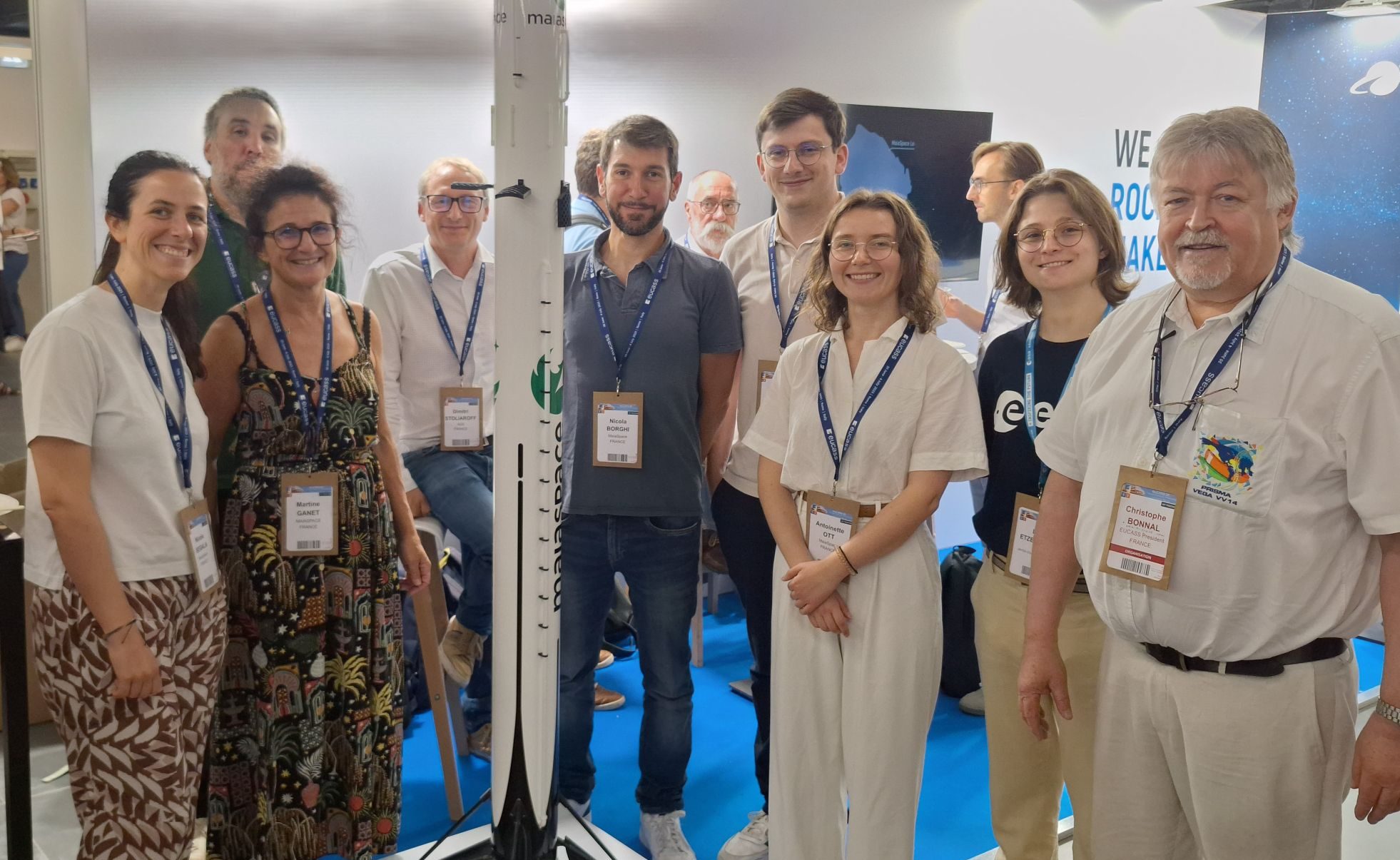
MaiaSpace at EUCASS 2025 conference
Sustainability
31.07.2025
The aerospace sector is incredibly demanding. It pushes the boundaries of what we know and what we can do, every single day. In such a high-stakes, high-complexity environment, cooperation isn’t a luxury — it’s a necessity.
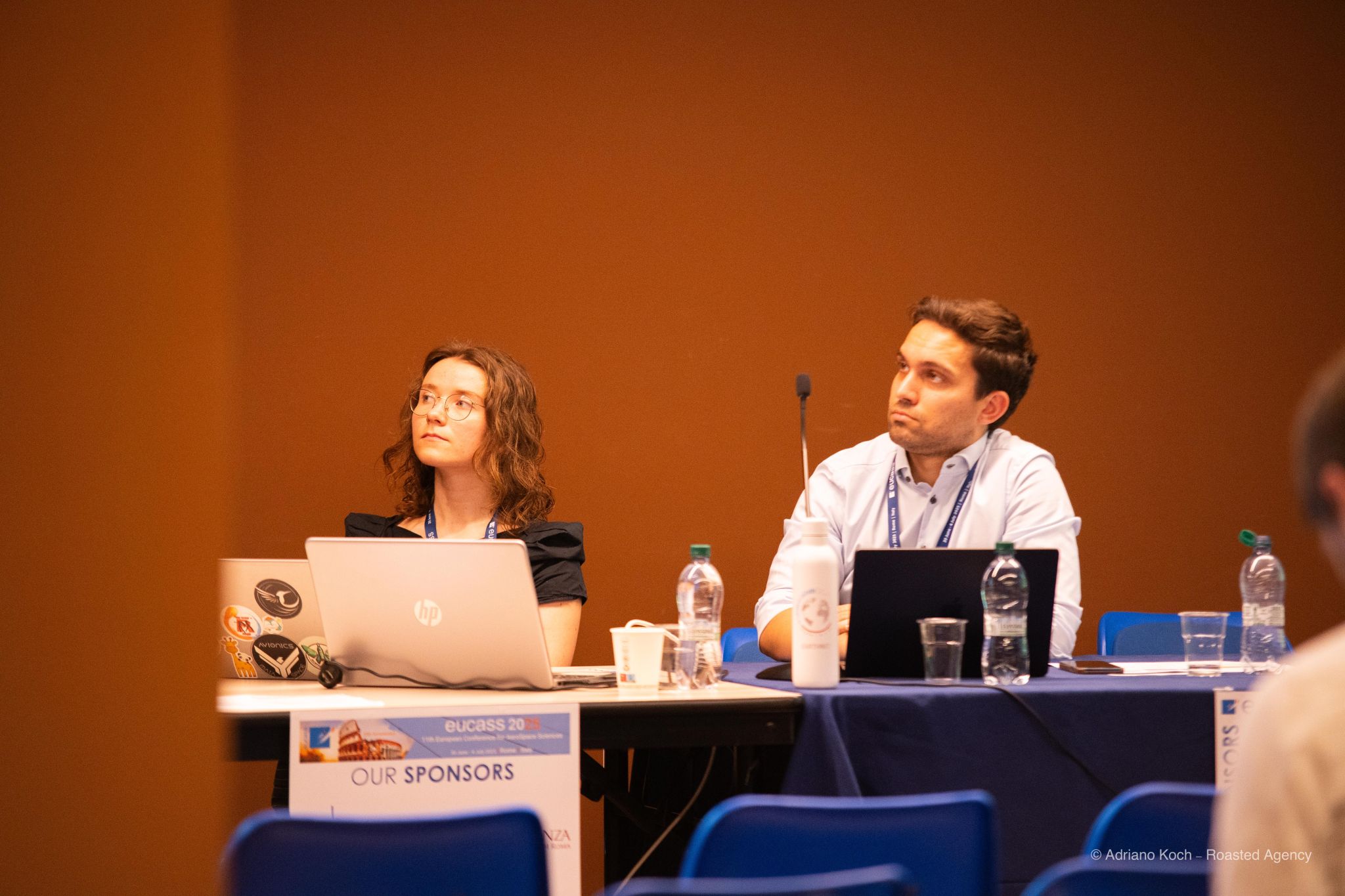
This is why key MaiaSpacers attended last month the EUCASS 2025 conference – chaired by the iconic MaiaSpacer Christophe BONNAL – in Rome, Italy. The occasion to share their work with the aerospace science community and get insight in the latest advances in the field:
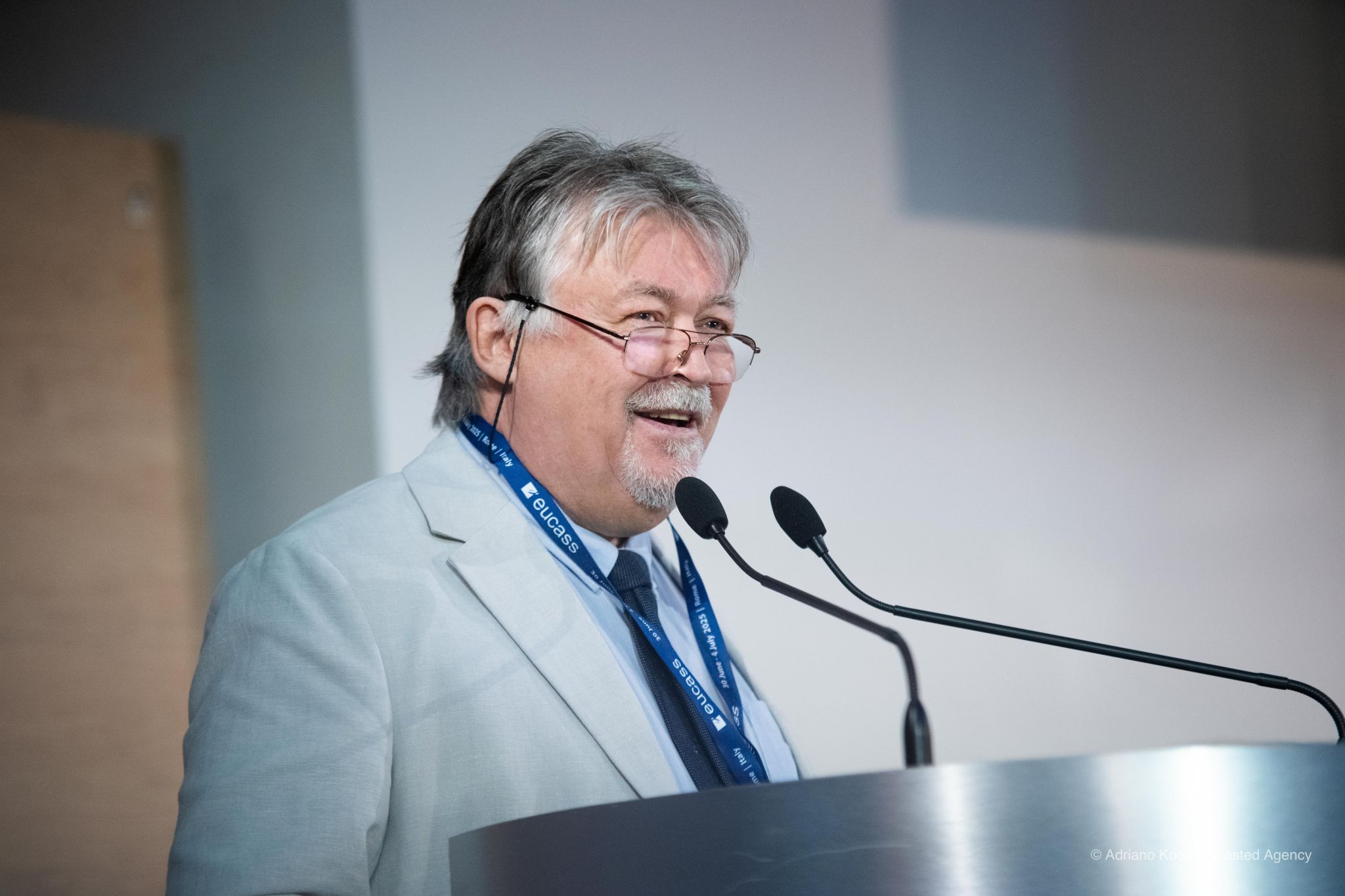
Christophe BONNAL
“𝐴𝑡𝑚𝑜𝑠𝑝ℎ𝑒𝑟𝑖𝑐 𝑟𝑒𝑒𝑛𝑡𝑟𝑦 𝑜𝑓 𝑜𝑟𝑏𝑖𝑡𝑎𝑙 𝑜𝑏𝑗𝑒𝑐𝑡𝑠 – 𝑐𝑎𝑛 “𝑑𝑒𝑠𝑖𝑔𝑛 𝑓𝑜𝑟 𝑛𝑜𝑛-𝑑𝑒𝑚𝑖𝑠𝑒” 𝑏𝑒 𝑡ℎ𝑒 𝑜𝑝𝑡𝑖𝑚𝑎𝑙 𝑠𝑜𝑙𝑢𝑡𝑖𝑜𝑛?”
With the expected increase of launch activities, poised to multiply satellite and launch vehicles’s upper stages re-entries, Antoinette Ott addressed several knowledge gaps to allow responsible design and operations. Coordinated in-situ measurements, high-fidelity simulations and harmonized indicators will give decision-makers quantitative data to help balance safety and environmental performance.
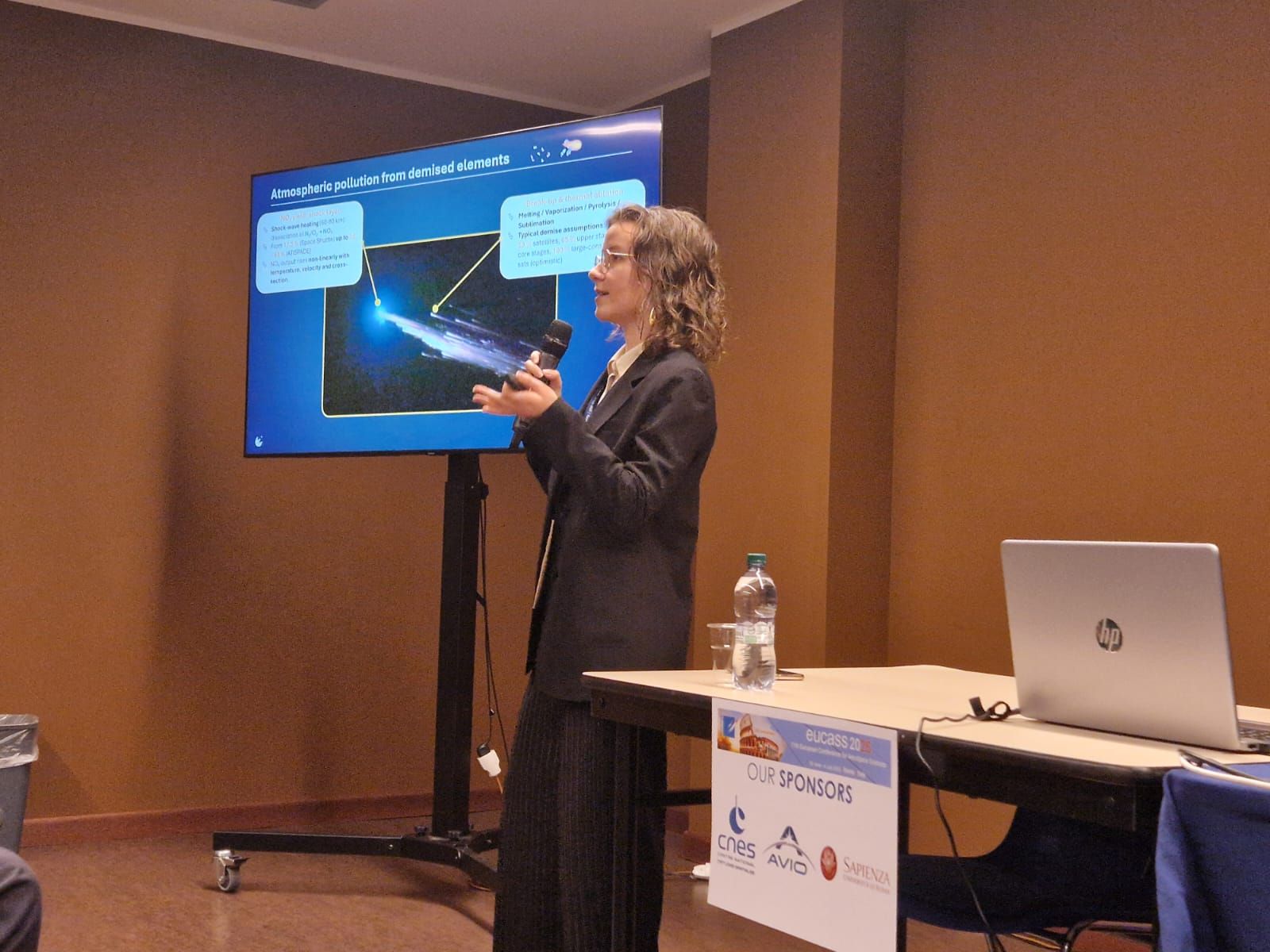
Antoinette Ott
“𝐴𝑛𝑎𝑙𝑦𝑧𝑖𝑛𝑔 𝑡ℎ𝑒 𝑖𝑛𝑓𝑙𝑢𝑒𝑛𝑐𝑒 𝑜𝑓 𝑎𝑛 𝑎𝑑𝑑𝑖𝑡𝑖𝑜𝑛𝑎𝑙 𝑘𝑖𝑐𝑘-𝑠𝑡𝑎𝑔𝑒 𝑜𝑛 𝑝𝑒𝑟𝑓𝑜𝑟𝑚𝑎𝑛𝑐𝑒 𝑎𝑛𝑑 𝑓𝑙𝑖𝑔ℎ𝑡 𝑝𝑟𝑜𝑓𝑖𝑙𝑒 𝑜𝑓 𝑎 𝑚𝑖𝑛𝑖𝑙𝑎𝑢𝑛𝑐ℎ𝑒𝑟”
In this study, Rémi Guinard analyzed the gain on performance and mission flexibility bought by the addition of the Colibri kick-stage Colibri vs the constraints on the launch vehicle architecture (impacts on the staging and the propulsion needs, flight safety requirements). Global optimization on both the Maia launcher and the Colibri kick-stage from early design allows to increase competitiveness on precise, tailored smallsats market segments.
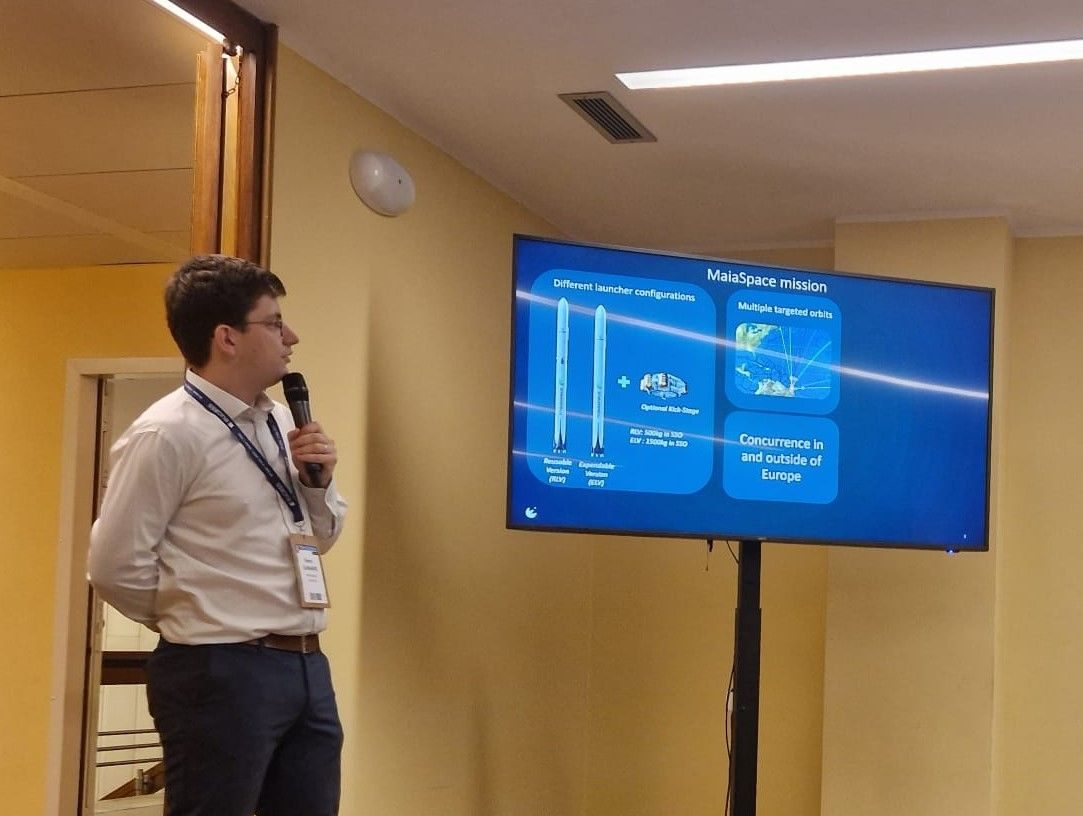
Rémi Guinard
“𝐷𝑒𝑣𝑒𝑙𝑜𝑝𝑖𝑛𝑔 𝐺𝑁𝐶 𝑎𝑙𝑔𝑜𝑟𝑖𝑡ℎ𝑚𝑠 𝑓𝑜𝑟 𝑙𝑎𝑢𝑛𝑐ℎ𝑒𝑟𝑠 𝑖𝑛 𝑡ℎ𝑒 𝑁𝑒𝑤𝑆𝑝𝑎𝑐𝑒”
In this paper, Nicole Segala explores how MaiaSpace adapts traditional GNC (Guidance, Navigation, and Control) development methods to meet the fast-paced, agile demands of the newspace launcher environment — emphasizing pragmatic, flexible solutions across both architecture and algorithms.
Sharing knowledge, technical insights, and best practices across organizations and borders, building bridges between industry and academia, is an essential condition for building affordable, responsible and sustainable access to space.
Congratulations to all co-authors Guillaume Lortie Nicola Borghi martine ganet Lilly Etzenbach
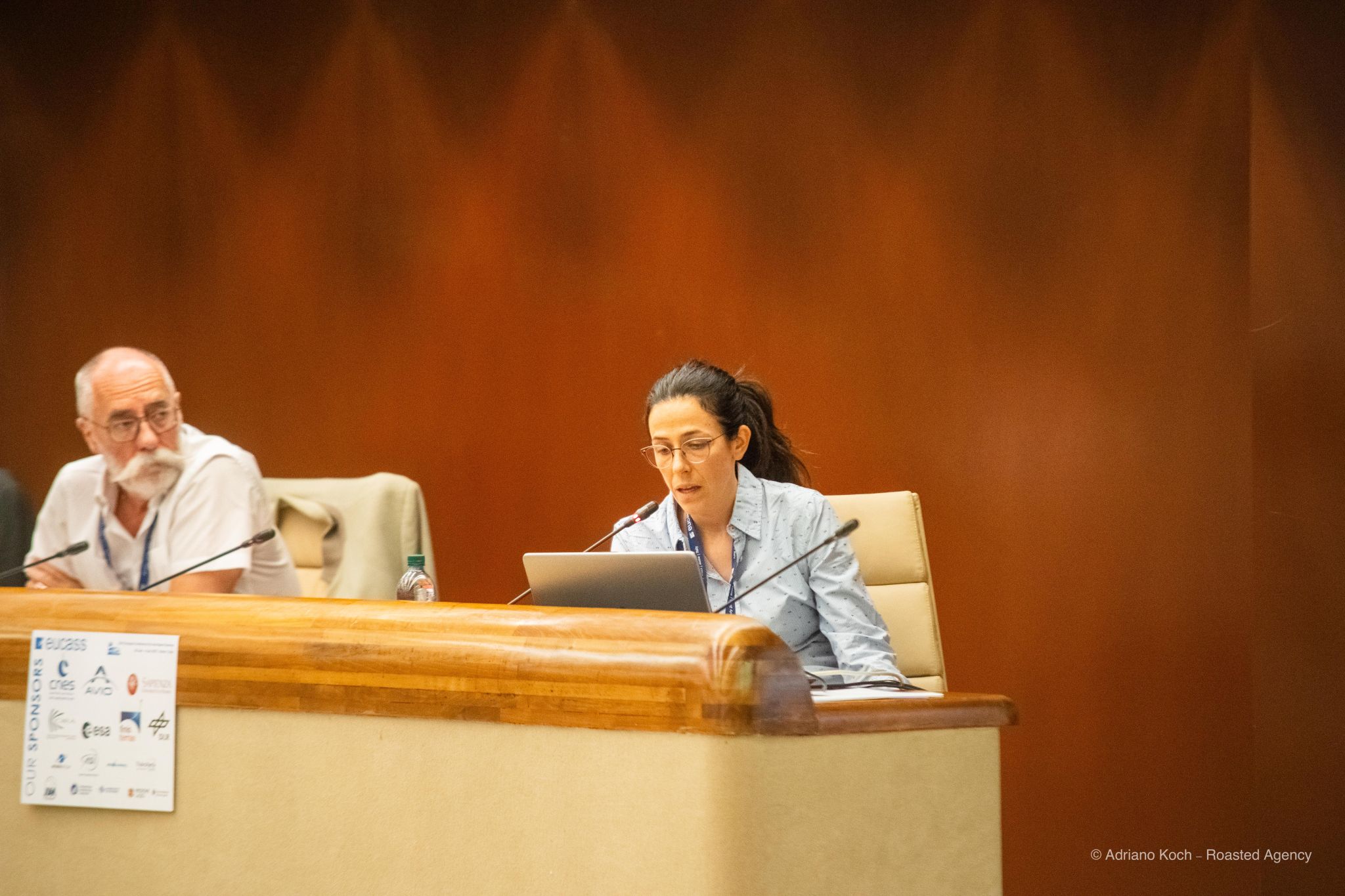
Nicole Segala